Caravan Safety Guide: Everything You Need to Stay Safe on the Road
Caravan Safety Guide: Everything You Need to Stay Safe on the Road
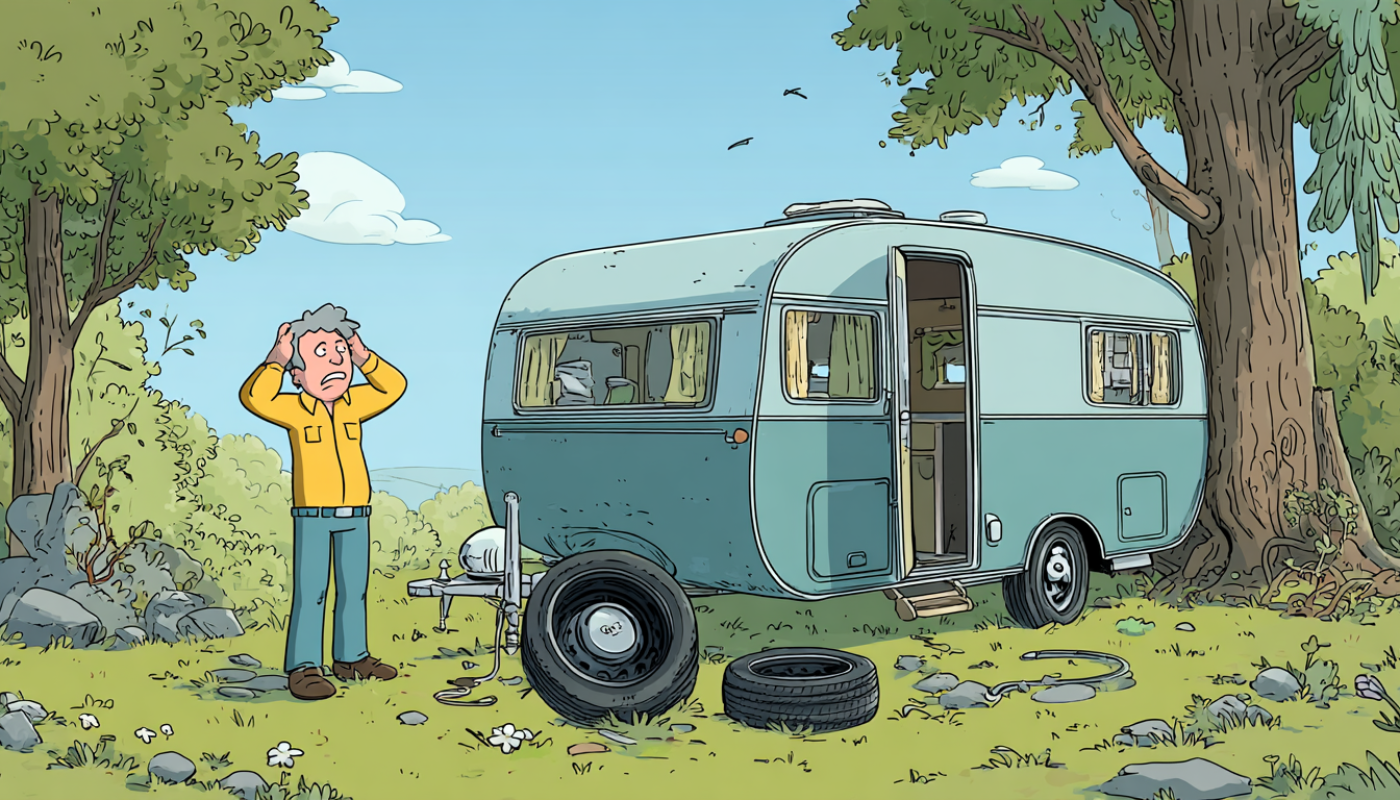
Travelling Australia by caravan is one of the most rewarding ways to discover the country’s incredible landscapes, coastal highways, national parks, and remote outback wonders.
But with the freedom of caravanning comes the responsibility of staying safe on the road. Whether you’re a seasoned traveller or planning your very first caravan adventure, understanding the fundamentals of caravan safety ensures every journey is smooth, stress-free, and enjoyable.
Australia’s terrain is diverse—sun-soaked beaches, rugged red deserts, winding mountain roads, and vast remote regions. This makes a strong focus on caravan road safety, towing safety, and travel preparedness absolutely essential. By planning well, maintaining your vehicle and caravan, and staying informed about weather, wildlife, and remote travel conditions, you can embark on your next adventure with total confidence.
This comprehensive guide covers all the essential caravanning safety tips every traveller should know before hitting the road.
On-Road Safety Tips
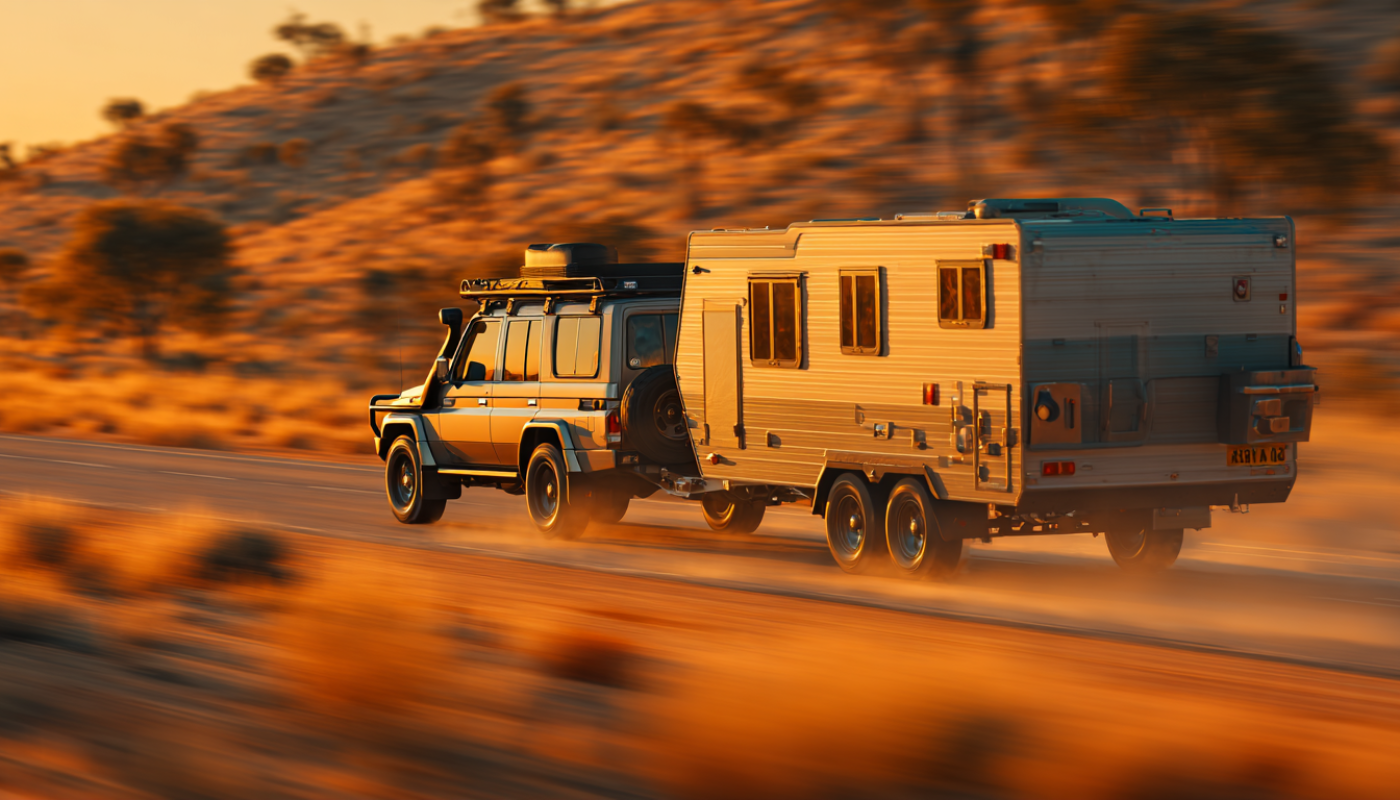
When towing a caravan in Australia, safety begins before you leave the driveway.
Ensuring your tow vehicle and van are properly set up, balanced, and road-ready is critical.
1. Check Your Weights & Towing Capacity
Overloaded or incorrectly balanced caravans are one of the leading causes of sway, accidents, and poor handling.
Before setting off:
- Know your GVM, GCM, ATM, and towball weight
- Ensure your tow vehicle is rated to pull your caravan safely
- Use a weighbridge to check fully loaded weight
- Balance heavy items low and centred
High-value keywords: caravan towing safety, towing capacity Australia, caravan weight limits, caravan sway prevention.
2. Inspect Your Caravan & Tow Vehicle
A pre-trip inspection reduces the risk of mechanical issues on the highway.
Check:
- Tyre pressure & tread (including spares)
- Brake controllers
- Wheel bearings
- Lights and indicators
- Safety chains
- Hitch locks & coupling mechanisms
Top search term: caravan road safety checklist.
3. Drive to Conditions, Not the Speed Limit
Caravans require longer stopping distances, slower cornering, and more attention to high-wind areas.
Important driving tips:
- Keep speeds conservative
- Allow extra space between vehicles
- Avoid sudden braking
- Reduce speed when passing road trains
- Take frequent rest breaks
High-value SEO terms: safe towing tips Australia, caravan driving safety, long-distance road safety.
4. Understand Sway & How to Respond
Caravan sway is dangerous and often triggered by wind gusts, poor loading, or fast speeds.
If your van begins to sway:
- Avoid braking suddenly
- Hold the wheel steady
- Slowly ease off the accelerator
- Let the caravan stabilise
For added safety, consider installing electronic stability control.
Weather Awareness & Bushfire Safety
Australia’s climate can change rapidly—from sudden storms to scorching heatwaves and unpredictable bushfire conditions.
Staying weather-aware is crucial for safe caravanning.
1. Monitor Weather Alerts Daily
Use apps like:
- BOM Weather
- Fires Near Me
- Emergency+
- State road authority alerts
Watch for:
- Strong wind warnings
- Flooding
- Extreme heat
- Storm fronts
- Bushfire danger ratings
High-value keywords: weather safety for caravanning, caravan travel bushfire safety, storm safety tips for travellers.
2. Bushfire Safety for Travellers
Bushfires can spread rapidly, especially during summer.
Always:
- Avoid camping in heavily forested or fire-prone areas during extreme fire danger
- Know evacuation routes
- Never rely solely on GPS—fires can close roads instantly
- Keep your fuel tank at least half full
- Have a fire blanket and extinguisher accessible
If you encounter smoke on the highway:
- Slow down
- Turn on headlights
- Close windows and vents
- Avoid stopping on the roadside unless safe
3. Flood & Outback Rainfall Risks
Heavy rainfall can make unsealed roads dangerous or impassable.
- Never drive through floodwaters
- Check road closures before heading inland
- Allow more braking distance in wet conditions
Wildlife Safety
Australia’s wildlife is beautiful, unique—and sometimes unpredictable.
Animals are most active at dawn and dusk, which is also when many caravanners prefer to travel, making safety awareness important.
1. Avoid Driving at Dawn, Dusk or Night
Kangaroos, wombats, emus, camels, and livestock can suddenly jump onto the road.
If you must drive:
- Reduce speed
- Stay alert to road edges
- Use high beams on open roads
- Be cautious on unfenced outback highways
Search terms: wildlife driving safety Australia, kangaroo risk driving.
2. Camp Safely Around Wildlife
While camping:
- Store food securely
- Never feed wildlife
- Keep rubbish in locked bins
- Watch for snakes in warm weather
- Shake out shoes before wearing them
3. Understand Marine & Coastal Wildlife Risks
If caravanning near beaches:
- Check for jellyfish warnings
- Avoid swimming during croc season in the northern tropics
- Be wary of stingrays and strong rips
Safety with Gas, Water & Electrical Systems
Caravans rely on multiple systems including LPG gas, fresh water, and 12/240-volt electrical setups.
Poor maintenance or incorrect use can be dangerous.
1. Gas Safety Tips
LPG gas is safe when used correctly.
Always:
- Have gas lines and appliances serviced annually
- Turn off gas when towing
- Check for leaks using soapy water
- Ensure adequate ventilation
- Never use gas appliances while sleeping
High-value keywords: caravan gas safety, LPG caravan safety checks.
2. Fresh Water System Safety
Water contamination is a common issue for travellers.
Travel tips:
- Clean water tanks regularly
- Use filters on hoses
- Sanitise tanks before long trips
- Avoid filling from unsafe or questionable sources
3. Electrical Safety
Both 12-volt and 240-volt systems need careful management.
Essential tips:
- Use a licensed electrician for all 240-volt work
- Never overload power boards
- Check cables for damage
- Use a quality surge protector at caravan parks
- Understand your battery capacity to avoid power failures
High-value terms: caravan electrical safety, RV power safety tips.
Solo Traveller Safety Tips
Solo caravanning in Australia is incredibly empowering, but it also requires additional awareness.
1. Share Your Travel Plans
Always let someone know:
- Your destination
- Expected travel time
- Campsite location
- Your next check-in
Using apps like Hema Maps, Find My Device, or Safety Tracker can help friends monitor your progress.
2. Choose Safe Campsites
Look for:
- Well-lit areas
- Camps with regular visitors
- Caravan parks close to facilities
- Avoid isolated roadside rest stops alone
Search term: solo female caravanning Australia safety tips.
3. Trust Your Intuition
If a place feels unsafe or uncomfortable:
- Re-hitch
- Move on immediately
- Choose a different site
4. Practice Quick Setup & Pack-Down
Being able to efficiently set up and leave a site adds a layer of personal security.
Remote Travel Safety Essentials
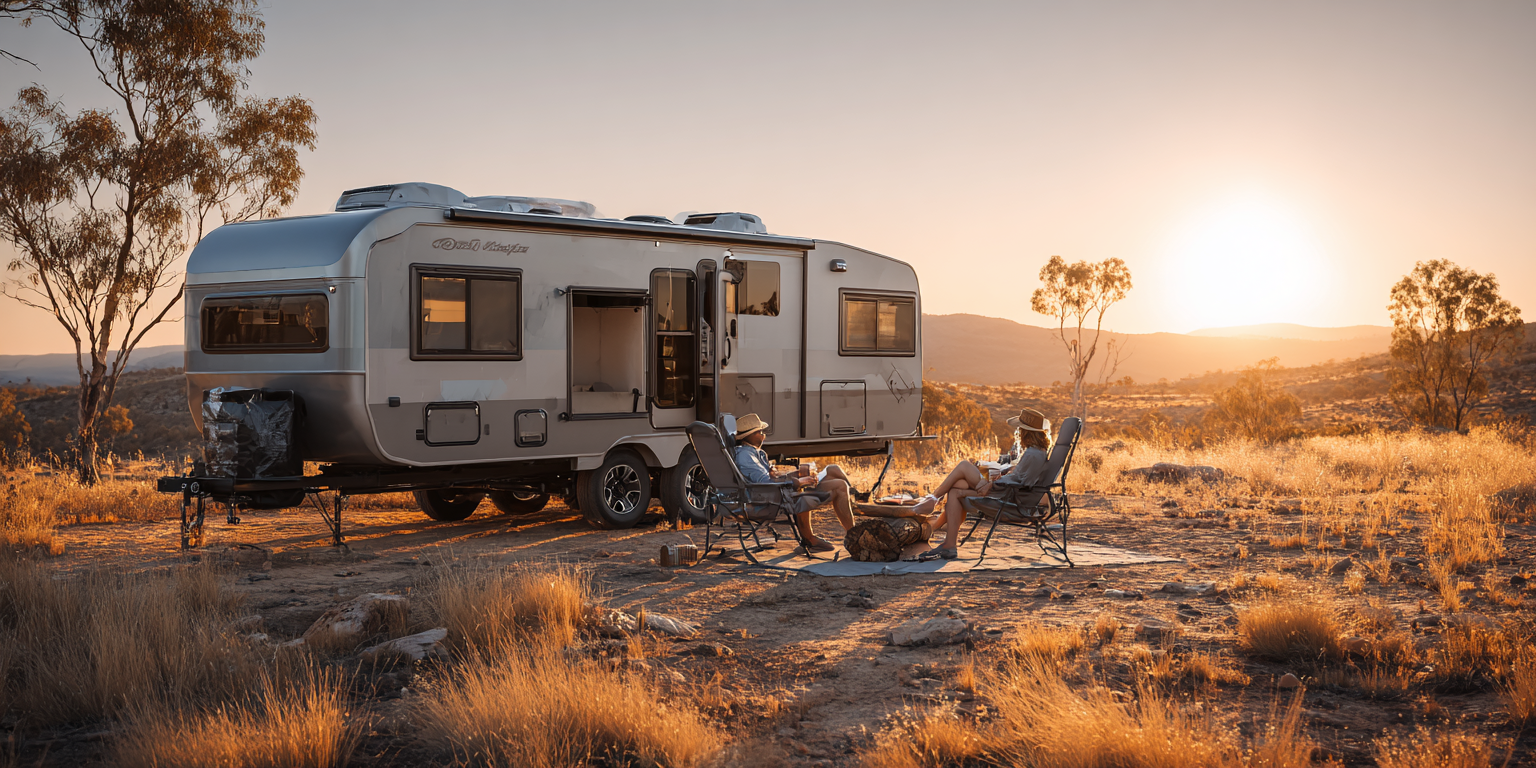
Australia’s outback is stunning but remote, with fewer services and longer distances between towns.
1. Carry Extra Supplies
When travelling remote:
- Extra fuel (jerry cans)
- At least 20–40 litres of spare water
- High-energy food
- Spare tyres and repair kits
2. Satellite Communication is Essential
In many outback areas, there is no phone reception.
Carry:
- A satellite phone
- A PLB (Personal Locator Beacon)
- A handheld UHF radio
High-value keywords: outback travel safety, remote caravanning Australia.
3. Know Your Limits
If you’re not comfortable with:
- Long unsealed roads
- River crossings
- Steep inclines
- Harsh weather
—turn back. Safety always comes first.
4. Learn Basic Mechanical Skills
Know how to:
- Change a tyre
- Check brake fluid
- Swap fuses
- Reconnect a dislodged Anderson plug
These small skills can save hours of waiting for help.
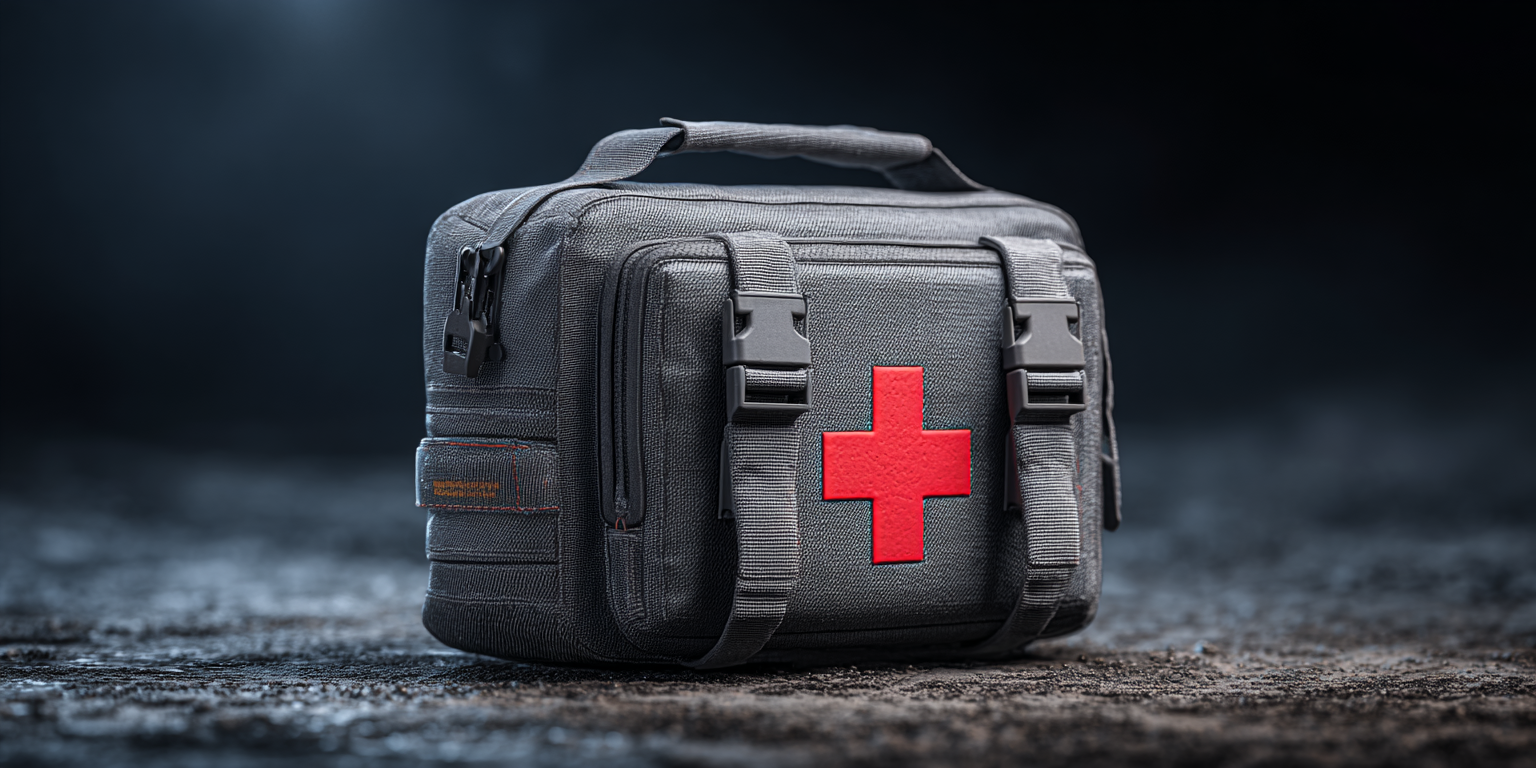
Emergency Kits & Gear Checklist
Every caravan travelling in Australia should be stocked with a well-equipped emergency kit.
Essential Caravan Safety Kit:
- First-aid kit
- Fire extinguisher & fire blanket
- Torch/headlamp
- Basic tool kit
- Spare fuses & bulbs
- Tyre repair kit
- Reflective warning triangles
- High-vis vest
- Jumper cables
- Emergency water & food
- Portable battery bank
- Maps (paper copies)
- PLB or satellite messenger
- Snake bite bandage
- Extra medication
- Weatherproof matches
High-value SEO: caravan emergency kit Australia, caravan safety equipment.
Common Safety Mistakes to Avoid
Even experienced caravanners can overlook small mistakes that lead to major problems.
1. Overloading the Caravan
Too much weight affects braking, stability, and towing.
2. Ignoring Tyre Maintenance
Tyres deteriorate quickly under heavy loads and heat.
3. Not Locking Everything Before Driving
Always double-check:
- Windows
- Hatches
- Doors
- Gas bottles
- Fridge latches
- Awning arms
4. Rushing Long Travel Days
Tiredness reduces reaction time—plan realistic distances.
5. Forgetting Local Rules & Permits
Many national parks and remote roads require special passes or park fees.
6. Not Preparing for Remote Travel
Running out of fuel or water in the outback can be life-threatening.
Conclusion: Safety Makes Every Caravan Trip Smoother and More Enjoyable
Caravanning across Australia is an incredible experience—freedom, exploration, open roads, and unforgettable memories.
By taking a safety-first approach, you not only protect yourself and your travel companions but also make every journey smoother, more relaxed, and far more enjoyable.
From proper towing and weather awareness to wildlife safety, remote travel preparation, and maintaining your caravan’s systems, following these essential safety tips ensures you can confidently explore the best of what Australia has to offer.
Whether you're planning a weekend getaway, the full lap of Australia, or an off-the-grid outback expedition, putting safety at the forefront means more time enjoying the adventure and less time dealing with preventable issues.
Safe, smart, and well-prepared caravanning gives you peace of mind—and that’s the foundation of every truly great Aussie road trip.
Ready to work with Aussie RV Hub?
Let's connect! We’re here to help.
Send us a message and we’ll be in touch.
Or give us a call today at 0438248833
Agency Contact Form
More Marketing Tips, Tricks & Tools