
Motorhomes in Australia.
Your Ultimate Guide to Freedom, Adventure and The Open Road
Aussie RV: Your Complete Guide to the Motorhome Lifestyle
If you’re looking for the best way to explore Australia with total freedom, comfort, and flexibility, motorhome travel is hard to beat.
The rise of motorhomes in Australia has been extraordinary, with more Aussies choosing a self-contained, home-on-wheels experience that lets them travel anywhere, anytime, without the stress of towing or constant setup.
Whether you’re planning weekend getaways, long-term touring, or the ultimate road trip around Australia, a motorhome gives you the power to chase the coastline, discover outback gems, visit national parks, and explore at your own pace—all while enjoying modern comforts.
In Australia, owning an RV or motorhome isn’t just travel—it’s comfort, freedom, and a whole new way of life.
Caravan Parks & Camping
Repairers & Service Providers
Accessories & Equipment
Tips & Advice
Why Motorhomes Are One of the Best Ways to Travel in Australia
More Australians than ever are searching online for the best motorhomes, motorhome travel ideas, and motorhome holiday destinations—and for good reason. A motorhome combines adventure with convenience, making it perfect for families, couples, retirees, and first-time travellers alike.
1. Travel Australia With Complete Freedom
Motorhomes give you unmatched flexibility. Stay longer at your favourite beaches, head inland to explore hidden towns, or take the scenic route on a whim. With no towing required, you can simply turn the key and go.
2. Comfort and Convenience Wherever You Go
Enjoy the luxury of having a fully equipped kitchen, bathroom, bed, storage, and living space with you at all times. From remote bush camps to popular motorhome parks, your comfort goes wherever the road leads.
3. Ideal for Families, Couples & Long-Term Travellers
Motorhome holidays are becoming one of the most popular ways for families and couples to explore Australia. The spacious layouts, sheltered living, and smart storage solutions make travelling easy, enjoyable, and stress-free.
4. Cost-Effective Travel With Predictable Expenses
Skip expensive hotels, restaurants, and flights. A motorhome lets you manage your travel costs more effectively, especially for extended trips or full-time living.
5. A Friendly, Supportive Motorhome Community
Australia has a thriving motorhome community ready to share motorhome travel tips, campground advice, must-see destinations, and product recommendations. Whether online or at a campsite, you’ll always find friendly faces.
The Motorhome Lifestyle: Why Aussies Are Choosing the Road
Travelling Australia in a motorhome is more than a holiday—it’s a lifestyle.
It offers:
- Freedom to explore hidden gems
- Flexibility to create your own schedule
- Comfort comparable to home
- Easy travel for all ages and lifestyles
- Access to stunning landscapes and nature
- Unforgettable road-trip memories
You’re not just visiting destinations—you’re living the journey.
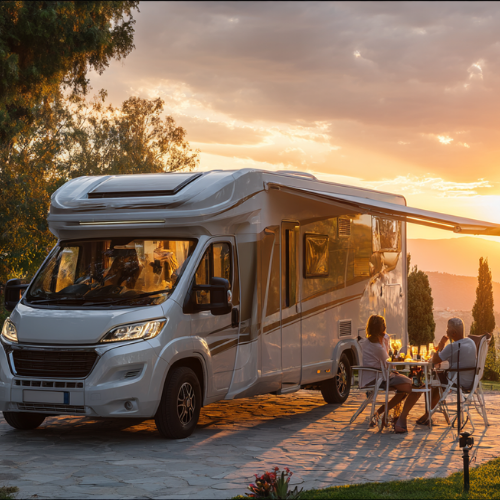
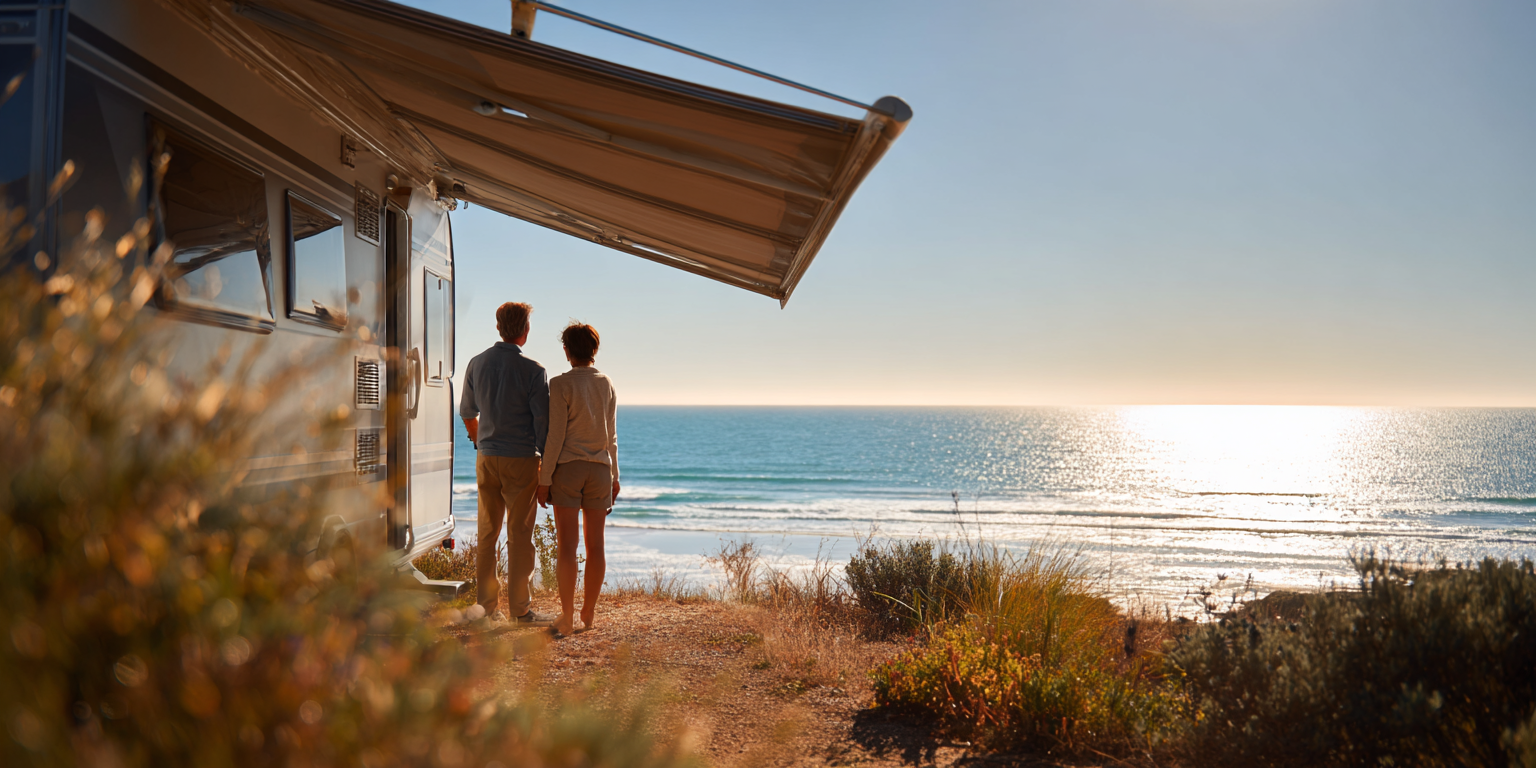
Top Destinations for Motorhome Travel in Australia
Motorhome travellers enjoy access to some of the most beautiful and diverse landscapes in the world.
Popular motorhome routes include:
- The Great Ocean Road – iconic beaches and cliffside views
- The Queensland Coast – from Cairns to the Gold Coast
- Tasmania’s Wilderness Trail – pristine national parks
- The Nullarbor Plain – an unforgettable cross-country adventure
- The Kimberley Region – rugged outback beauty
- NSW South Coast & Sapphire Coast – ideal for motorhome holidays
- Whether you prefer beaches, bushland, mountains, or outback tracks,
Australia offers endless possibilities for every style of traveller.
Motorhome Travel Tips for a Smooth and Safe Journey
If you’re new to motorhoming or planning a long trip, these essential motorhome travel tips will help make your adventure safer and more enjoyable:
✔ Plan your route but stay flexible
Unexpected gems often become the highlight of a road trip.
✔ Book popular motorhome parks early
Especially during school holidays and peak seasons.
✔ Understand your motorhome’s size and weight
This helps with parking, fuel planning, and choosing campsites.
✔ Pack smart and use storage wisely
Every motorhome traveller quickly learns the value of organisation.
✔ Perform regular checks on water, gas, tyres, and power
A well-maintained motorhome keeps your trip stress-free.
✔ Use apps for navigation, camping, and free camps
Tech tools make the journey easier, safer, and more enjoyable.
The Best Motorhomes for Australian Travel
When choosing the best motorhome for Australian roads, consider:
- Size and layout
- Fuel efficiency
- Off-grid capability
- Storage and sleeping arrangements
- Warranty and after-sales support
- Whether you prefer new or used motorhomes
Australia is home to many respected motorhome brands offering quality builds designed for local conditions.
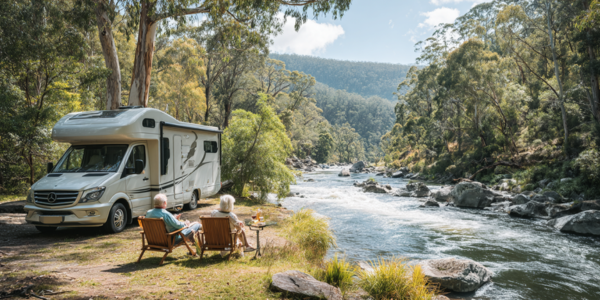
How Aussie RV Hub Helps You Get the Best Motorhome Experience
At Aussie RV Hub, we are dedicated to becoming Australia’s most trusted resource for motorhome owners and travellers.
Our website is filled with expert insights, guides, and recommendations to help you enjoy the road with confidence.
Find Everything You Need, All in One Place:
- Motorhome buying guides
- Expert maintenance advice
- Motorhome travel tips and destination ideas
- The best motorhome accessories and suppliers in Australia
- Directory of trusted repairers and service professionals
- Motorhome park and campground recommendations
- Beginner and advanced touring tips
- Real reviews from real travellers across Australia
We’re here to make your next motorhome adventure smoother, safer, and more enjoyable—whether you’re planning a weekend getaway or your dream lap of Australia.
Ask Us Anything - Frequently Asked Questions
What licence do I need to drive a motorhome in Australia?
Most motorhomes under 4.5 tonnes GVM can be driven on a standard Class C (car licence).
However, if the motorhome exceeds this weight:
4.5–8 tonnes GVM → Light Rigid (LR) licence
8–12 tonnes GVM → Medium Rigid (MR) licence
You should always check:
The motorhome’s compliance plate
Your state’s licensing authority regulations
Your insurance requirements
Aussie RV provides a state-by-state licence breakdown to help you stay legal and confident on the road.
What’s the difference between a motorhome, campervan, and RV?
These terms are often confused, so here’s the simple breakdown:
Motorhome
Built on a truck or large van chassis
Full living setup (bed, kitchen, bathroom, lounge)
Ideal for extended travel
Campervan
Smaller van conversion
Compact living space
Easy to drive and park
RVs (Recreational Vehicles)
Umbrella term covering motorhomes, campervans, caravans, camper trailers, and fifth-wheelers
Aussie RV includes comparison guides to help travellers choose the best option for their lifestyle.
How much does a motorhome cost in Australia?
Motorhome prices vary widely based on size, brand, layout, and features.
Typical Price Ranges
Used Campervans: $20,000–$70,000
Entry-Level Motorhomes: $80,000–$150,000
Mid-Range Motorhomes: $150,000–$250,000
Luxury Motorhomes: $250,000–$600,000+
Additional expenses to consider:
Insurance
Registration
Servicing
Accessories/upgrades
Depreciation
Aussie RV’s buying guides break down real-world costs to help you budget accurately.
How much does it cost to travel Australia in a motorhome?
Costs depend on your pace, travel style, and fuel prices. Typical expenses include:
Main Travel Costs
Fuel – often the biggest expense
Camping fees (free, low-cost, or caravan parks)
Food and supplies
Maintenance and servicing
Insurance and registration
Activities and attractions
Weekly Cost Estimates
Budget travellers: $250–$450 per week
Comfort travellers: $600–$900 per week
Full-time travellers: varies widely
We also provide money-saving tips such as free camping lists, fuel apps, and off-grid solutions.
How do I maintain a motorhome and keep it in good condition?
Regular maintenance ensures safety, reduces breakdowns, and maintains resale value. Key maintenance areas include:
Mechanical Maintenance
Engine servicing (every 10,000–15,000 km)
Brake checks
Coolant and oil levels
Tyre rotation and replacement
RV-Specific Maintenance
Roof and window seal inspections
Water tank cleaning
Gas system checks
Battery health monitoring
Appliance servicing
Many travellers book an annual RV inspection before major trips. Aussie RV’s directory lists trusted repairers across Australia.
How do I choose the right motorhome layout?
Layout is one of the biggest decisions when buying an RV. Consider:
Sleeping Arrangements
Island bed
East-west bed
Drop-down bed
Twin beds
Living Configuration
Rear lounge
Mid-dinette
Front swivel seats
Slide-out sections
Kitchen & Bathroom Options
Full ensuite
Combined shower/toilet
Large fridge vs compact setup
Think about how you travel, how many people join you, and how much space you need. Aussie RV provides floorplan reviews and layout comparison guides.
How long can I stay off-grid in a motorhome?
Your off-grid time depends on three main resources:
1. Power
Solar panels (200–600W recommended)
Lithium or AGM batteries
DC–DC chargers
Energy-efficient appliances
2. Water
Fresh water tank capacity (typically 80–200L)
Usage habits (showers, washing dishes)
3. Waste
Grey water tank size
Toilet cassette or black water tank
Most travellers can stay off-grid for 2–7 days, while well-equipped rigs with large solar systems and tanks may stay off-grid indefinitely.
AussieRVHub offers off-grid system design guides and checklists.
Do motorhomes hold their value?
Motorhomes typically retain value better than caravans, but depreciation still depends on:
What Increases Resale Value
Well-known brands
Low kilometres
Full service history
Popular layouts
Quality appliances
What Decreases Value
Water damage
Poor maintenance
Outdated interiors
High kilometres
Generally, expect:
First 3 years: moderate depreciation
After 5–10 years: value stabilises if well maintained
Aussie RV's valuation guides help buyers and sellers understand fair pricing trends across Australia